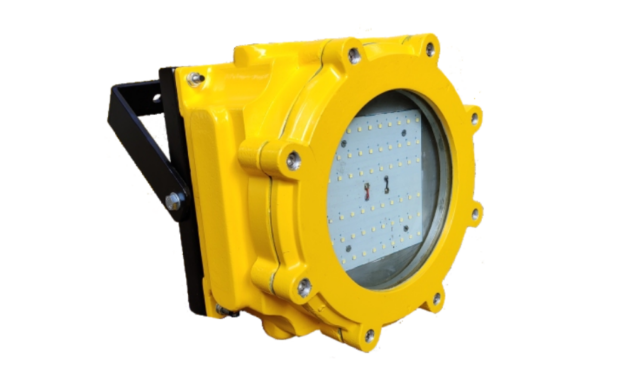
Flameproof emergency lighting is an essential safety system in hazardous areas where explosive gases, vapours, or dust may be present. In chemical plants, refineries, offshore platforms, solvent processing units, battery charging rooms, and tank farms, emergency lighting ensures safe evacuation, operational shutdown visibility, and compliance with statutory safety requirements during power failure.
Many installations pass equipment certification but fail safety audits due to incorrect wattage selection and insufficient battery backup. This guide explains how to correctly select wattage, lux level, autonomy duration, and battery type for hazardous environments using engineering principles rather than assumptions.
To understand hazardous zone fundamentals, refer to A Comprehensive Guide to Zone 0, Zone 1, Zone 2 & Zone 3 in Hazardous Areas.
Use 10–18W for narrow corridors and small rooms, 30–40W for production walkways, and 60–100W for high-bay process halls or outdoor tank farms. Minimum backup should be 90 minutes, but hazardous chemical & petroleum plants typically require 2–3 hours.
LiFePO4 batteries are preferred in 2025 due to higher cycle life, stable discharge, and temperature resilience.
Explore certified models: Flameproof LED Emergency Lights (30W & 60W)
Emergency light wattage must be selected based on the required illumination (Lux) for safe movement and hazard visibility.
Area Type | Minimum Lux | Typical Wattage |
Escape paths & corridors | 1–5 lux | 10–18W |
Staircases & exits | 5–10 lux | 18–30W |
General plant walkways | 10–20 lux | 30–40W |
High-bay process areas | 20–50 lux | 60–80W |
Outdoor tank farms & jetties | 15–30 lux | 80–100W |
For standard lighting requirements, refer to Flameproof LED Flood Light
Area Size | Mounting Height | Recommended Wattage |
< 100 sq ft | 2.5–3 m | 10–18W |
100–250 sq ft | 3–4 m | 18–30W |
250–600 sq ft | 4–5 m | 30–40W |
600–1200 sq ft | 5–7 m | 60–80W |
Area Type | Area Size | Mounting Height | Min. Lux | Recommended Wattage | Recommended Backup | Battery Type |
Small Lab / MCC Room | < 100 sq ft | 2.5–3 m | 5–10 | 10–18W | 90–120 min | LiFePO4 |
Production Corridor | 100–400 sq ft | 3–4 m | 10–15 | 30–40W | 2 hours | LiFePO4 |
Process Hall / Warehouse | 400–1000 sq ft | 5–7 m | 20–30 | 60–80W | 2–3 hours | LiFePO4 |
Outdoor Tank Farm / Jetty | Open Area | 7–10 m | 15–30 | 80–100W | 3–4 hours | LiFePO4 |
Plant Type | Recommended Autonomy |
Pharmaceutical | 90–120 minutes |
Chemical production | 2 hours |
Petroleum & refinery | 2–3 hours |
Offshore / gas processing | 3–4 hours |
Confined space | 4 hours |
Type | Benefits | Limitations |
Self-Contained Flameproof Fittings | Independent & easy | Higher per-unit cost |
Central Battery | One system supports many | Complex wiring, single-point failure |
Requirement | Best Practice |
Install the above exits, stairs, and pathway turns | Mandatory |
Max spacing | 8–10 metres |
Avoid glare | Tilt downward |
Use flameproof exit signs | Required |
For compliant safety signage, see Flameproof LED Exit Signage
A 2024 shutdown incident in a Maharashtra solvent plant left a 110m corridor dark when 10W emergency fittings failed. After upgrading to 60W LiFePO4 flameproof emergency lights, evacuation time dropped from 6 minutes to 120 seconds, meeting PESO safety expectations.
Can normal emergency lights be used in Zone 2?
No. All devices must be explosion-proof.
Learn more in What Is the Difference Between Explosion-Proof and Flameproof?
Do emergency lights require Ex certification?
Yes. See: What Is Flameproof Equipment?
Correct selection of flameproof emergency lighting is a life safety and compliance decision, not a commodity purchase. Proper wattage, battery autonomy, placement, and testing define safe evacuation and audit success.
